

.svg)
Dhul Hijjah at Home: A Family Guide for Canadian Muslims
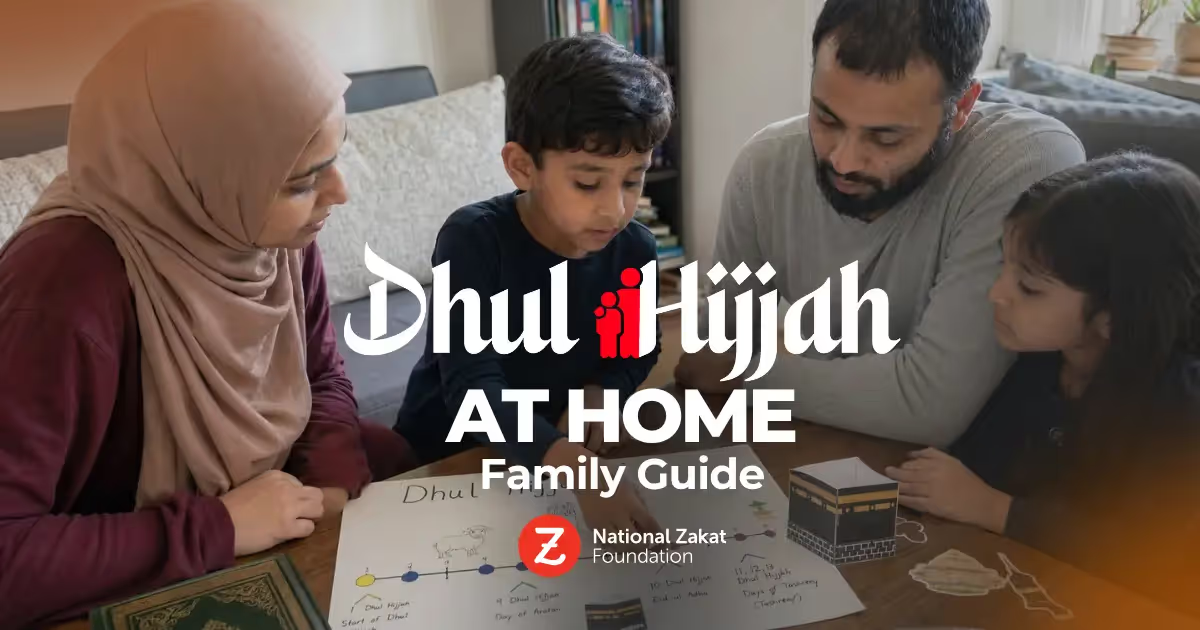
Most families experience Dhul Hijjah from their homes, workplaces, and schools, yet these days can still reshape a household.
While millions travel for Hajj, most families experience Dhul Hijjah from their homes, workplaces, and schools. Yet these days can still reshape a household—through shared worship, meaningful conversations, and small acts of care for neighbours who might be struggling in silence.
Bringing the Story of Hajj to Life
Children and teens may know that “Hajj is happening,” but not what it really means. Dhul Hijjah is an opportunity to bring the story to life with simple, age-appropriate reminders.
You might create a timeline on a wall or whiteboard showing key events—Prophet Ibrahim’s prayer, the building of the Ka‘bah, Zamzam, and Arafah—and add a short reflection each day. Connecting these stories to real choices (“What can we sacrifice this week for Allah?”) helps them feel relevant.
Creating a Dhul Hijjah Routine
Even small daily practices can help your home feel different in Dhul Hijjah:
- Start the morning with takbeer and a short dua.
- Read a few verses of Quran together after Maghrib.
- Share one “lesson of the day” from Hajj or sacrifice at dinner.
The goal is not perfection. It is to mark these days as special in the hearts of your family, even if your schedule is full.
Planning Qurbani as a Family
If you are doing Qurbani this year, involve your family in the decision and the intention behind it. Explain where the meat will go and why it matters, especially for families who cannot afford it.
Ask your children: “Who do you think might be happy to receive this?” Let them imagine the faces of kids their age opening their Eid fridge to find more than they expected. This builds empathy and a sense of responsibility from an early age.
Serving Those Close By
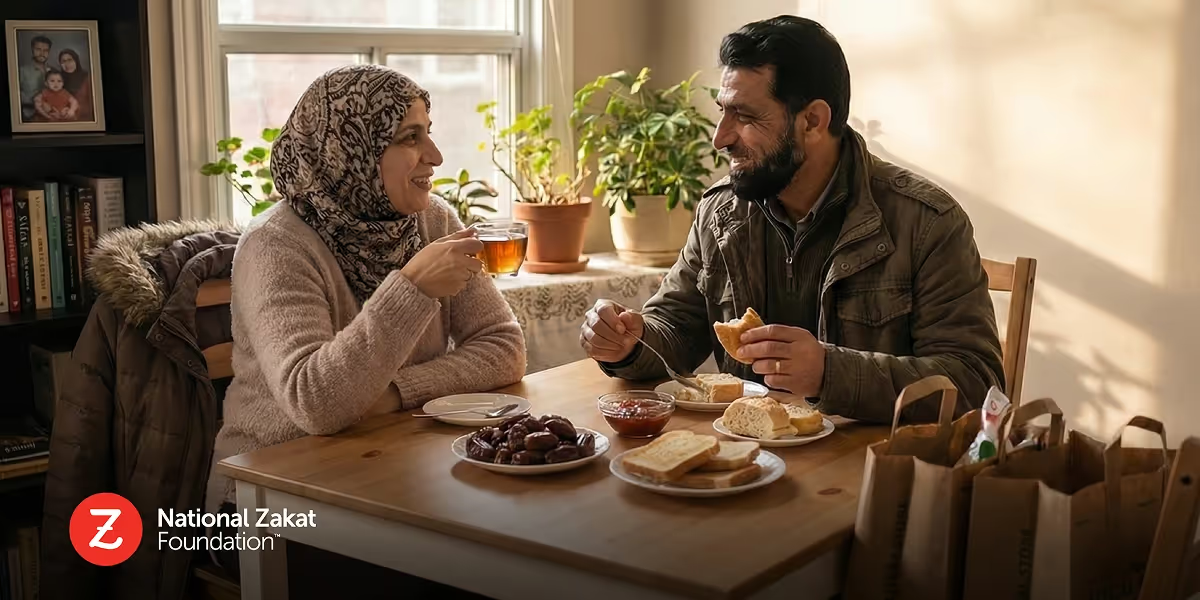
Dhul Hijjah is also a chance to look around and ask, “Who near us might be finding this time difficult?” It could be a widow on your street, a newcomer family in your building, or a student who stays behind while others travel.
As a family, choose one simple act: a grocery drop-off, an Eid plate, a card, or a discreet financial contribution through a trusted organization that serves local Muslims. Talk to your children about why you are doing it and assure them that Allah sees every quiet act.
Keeping the Momentum After Eid
After Eid al-Adha, call a short “family debrief.” Ask each person what they enjoyed most, what they learned, and what they want to continue. Maybe it is a small daily dhikr, a weekly family dua circle, or an ongoing commitment to give together.
These conversations turn Dhul Hijjah from a seasonal checklist into a stepping stone toward a more mindful, connected family life the whole year.
Looking for Dhul Hijjah Resources and Activities for the family?
Visit the links below to access a complete guide on embracing the best days of the year and fun activities to engage your children during Hajj and the month of Dhul Hijjah.
Keys to Embracing Dhul Hijjah

recent news
The Latest Updates in Our Organization
Here you will find updates on the latest happenings and developments at National Zakat Foundation Canada.